
From Remote Nepal to a Global Tech Company
I wasn’t the smartest in the room. I was just the most patient & hard-working. This is a reflection on that journey.

Why I started?
We live in an age of instant gratification. We’re drawn to quick results and polished success stories, often missing the real journey behind them. At this stage of my life, I feel more connected to raw stories than to outcomes. Stories that show vulnerability, ups and downs, and the human side of growth. That’s the first reason I started this series: to inspire myself through real experiences. The second reason is to raise awareness for people who want to walk a similar career path.
Who?
This series is for anyone walking or considering a similar career path. It’s not a guide or a checklist. Its purpose is to create awareness and a human connection through story.
How?
I’ll be inviting people with similar journeys to share their unfiltered stories through a simple questionnaire format. Every story is unique and worth sharing. My hope is to keep this series alive with honesty, consistency, and authenticity.
Introduction
I was born to hardworking parents and raised in remote parts of Nepal. For a long time, I quietly believed my background had already set my limits.
I grew up feeling behind in confidence, language, exposure, and opportunity. I studied in below-average government schools. In new environments, I often felt out of place, self-conscious about my accent, hesitant to ask questions, aware of how much I didn’t know. While others moved ahead, I was learning from scratch.
Progress was slow, and it was easy for people to misunderstand that slowness. There were nights filled with doubt, moments when I wondered if this path was meant for someone like me. I kept going despite the challenges.
Today, I work at one of the world’s top 10 technology companies as a software engineer. This isn’t a story about genius or talent. It’s about patience and perseverance.
A Photo That Motivates Me
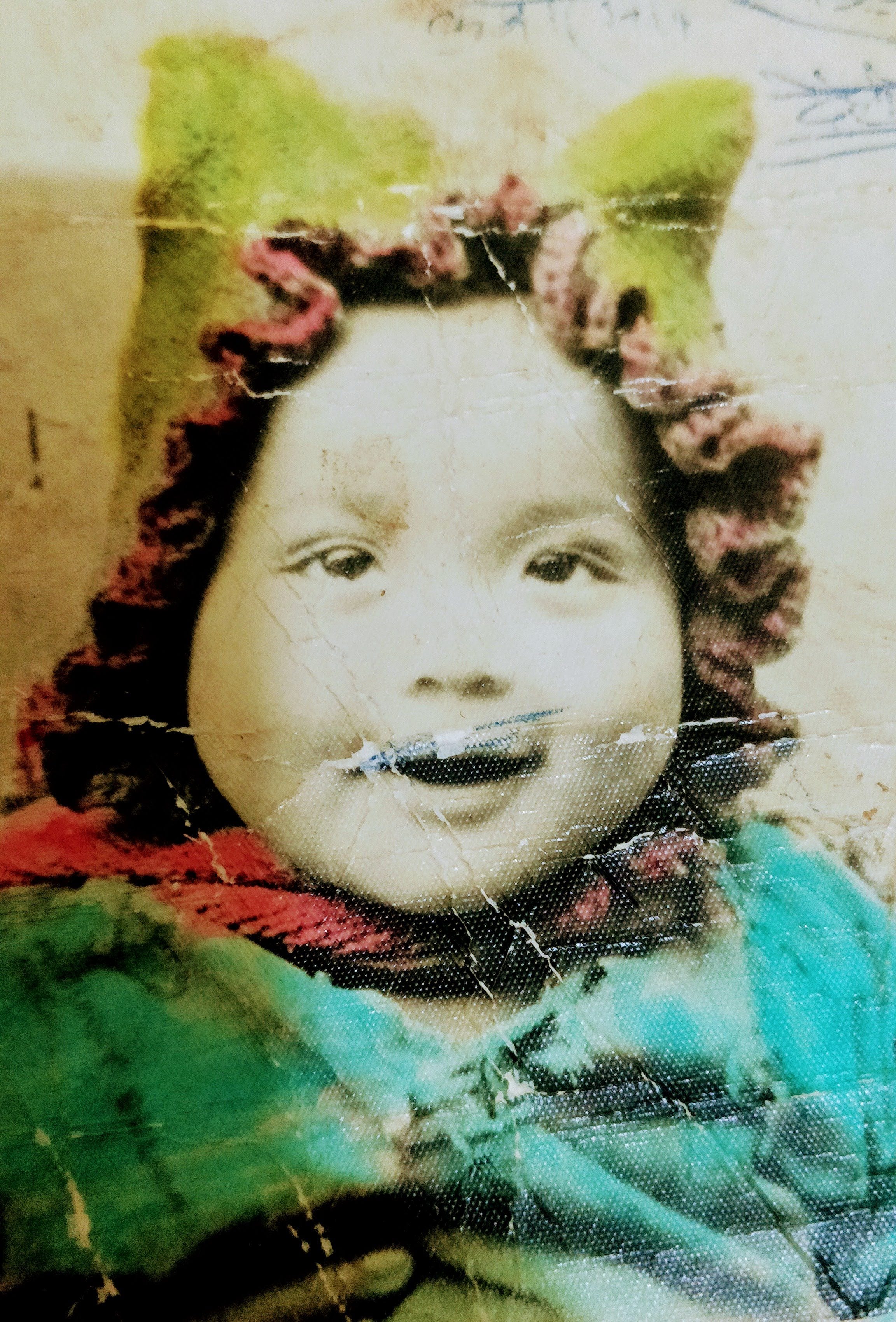
This photo was taken by my father when I was five months old. If we have met in person, you may have noticed that I smile a lot. This picture is proof that I was good at smiling from a very early age.
I even confirmed with my mother that she didn’t force me to smile for the photo. Hopefully, she didn’t lie just to make me feel happy now 🙂.
I look at this photo often. Whether I’m feeling low or happy, I try to look at it mindfully. It reminds me of who I am and gives me immense strength to push myself to become a better version of myself every day.
Where in Nepal were you born & raised?
I was born in Rukum and raised in different mid-western parts of Nepal. We are a family of six, including my parents, and I am the third child.
My father is a retired police officer, and my mother raised us. Because of my father’s job, we moved frequently whenever he was transferred. Looking back, this turned out to be a blessing. I got to explore different places, meet different people, attend different schools, and make many friends while growing up.
How were you in your childhood?
I lived a decent life growing up and faced fewer struggles compared to my eldest sister and older brother. I was very competitive from an early age and often ranked at the top of my class.
I didn’t play outdoor sports much. I spent most of my time studying, reading stories from textbooks, and listening to the radio.
Boring story 🫠, My childhood was not usual as compared to other kids. I didn’t have access to tv, comics, cartoons, video games & newspapers etc. However, I loved listening to music on the radio. My mother still says that I used to fall asleep while listening to it. There was a simple reason, radio was the most accessible and affordable form of entertainment for our family while growing up.
Education Background
I graduated in Computer Engineering from Tribhuvan University in 2014. After that, I worked for around seven years in Nepal as a software engineer. In 2021, I moved to Paris to pursue my master’s degree.
Studying engineering in Nepal back then was tough. Even today, thinking about those days gives me a stomachache. I struggled to understand many of the concepts taught in engineering school. There were very few good professors, and we often had to rely on rote learning.
Self-doubt was constant: “I am not enough, My friends understand everything, They have a stronger foundation, They graduated from elite schools. etc”.
At the same time, I always had a hunger to understand the bigger picture and dive deeper. That curiosity pushed me to ask many questions in class. When I didn’t get satisfying answers, I started reading books on my own.
English was my first big challenge. I didn’t have a strong foundation from high school, where most learning was based on memorisation. After high school, everything was taught in English, and rote learning felt like the only way to survive.
That belief slowly changed during engineering school when I began reading books independently. Gradually, concepts started to make sense. I worked extremely hard, and the reading habit I developed during engineering has helped me tremendously even to this day. Curiosity made all the difference.
My master’s degree, on the other hand, felt much easier. The curriculum was assignment-based and focused on acquiring practical, professional skills. My years of work experience helped me grasp concepts quickly.
What inspired you to pursue a tech career abroad?
I have been competitive since childhood. A funny story (🫠) from class two: a teacher once told me I had ranked second in the class. I locked myself in my room and cried the entire day. My mother struggled to convince me that the teacher was joking to see my reaction.
I didn’t believe her. I insisted on seeing the actual marks. Only after checking the papers myself was I convinced. This probably shows how stubborn I was even as a child.
As I grew older, I continued competing with others. That competitiveness still exists, but now I compete only with myself. Learning and challenges make me happy.
Connecting the dots: after working for around seven years in Nepal, I became comfortable in my roles. I wasn’t challenged enough by the nature of the work. I decided to pursue a master’s degree. I initially started in Nepal, but I didn’t like the teaching methodology. That led me to move to Paris.
My motivation was to work in a diverse culture and take my career to the next level.
Which country are you currently working in, and what is your role?
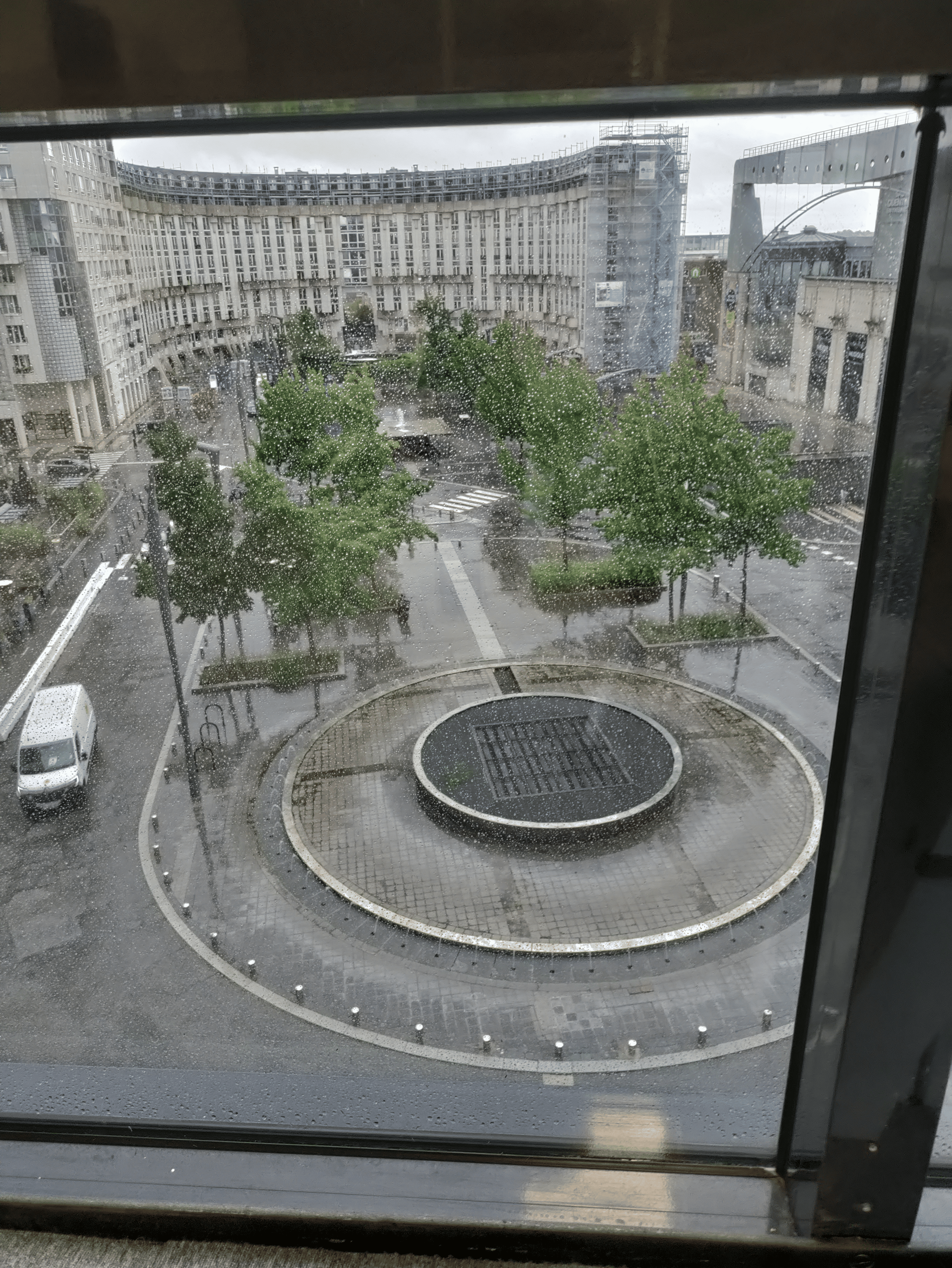
I currently work as a Backend Engineer at Synopsys from the Paris, France office.
How did you prepare for your move abroad?
I prepared both mentally and financially.
During COVID-19, I had a full-time job and also managed freelance projects on Upwork after work hours. The pandemic didn’t affect me personally; instead, it gave me time to reflect and explore new possibilities.
I became obsessed with finding freelance work on Upwork, and that obsession paid off. At one point, I had more work than I could handle and needed help from friends to complete projects. In total, I earned around $20K, which I shared with friends who supported me.
Money was not the main goal. The real gain was confidence—the belief that I could survive anywhere in the world by relying on my skills.
I was also leading a backend team in my full-time job and continued working remotely even after arriving in Paris. This allowed me to cover all my expenses. I’m deeply grateful to my team in Nepal for trusting me, giving me flexibility, and supporting me throughout that phase.
Life wasn’t easy, even though I was mentally prepared. I used to wake up around 4 AM to mentor my team and work for a few hours. During the day, I attended engineering school until late evening. I worked during breaks, continued after returning home, and completed assignments on weekends. It was exhausting for a couple of years.
What was the biggest challenge during your transition abroad?
Mindset.
The way I grew up in Nepal shaped my beliefs and values deeply. Unlearning some of those beliefs and learning new ones required enormous effort and energy. I’m still working on it.
I’ve realised that the solution is not to change everything you know, but to become aware and then consciously choose what serves you best instead of blindly following hardwired patterns.
What differences have you noticed between working in Nepal and working abroad?
Nepali engineers are globally competitive in terms of technical skills. I didn’t see a huge technical gap.
The difference lies more in mindset: ownership, initiative, impact, emotional bias, and the balance between individual and group goals. These differences are often shaped by education systems and culture. It’s not that one is better than the other, it is just a different one.
What has been your proudest achievement since moving abroad?
By my late twenties, I realised that simply moving abroad, getting a job, earning well, and settling down were not things I could be proud of though I don’t dismiss their importance.
My proudest achievement is that I learned to focus on myself at a young age. Living alone in a foreign land helped me understand myself better. Challenges forced me to reflect deeply and rediscover who I am, again and again.
That self-awareness is what I’m most proud of.
What do you wish someone had told you before you left Nepal?
Know yourself before trying something new.
Understanding your values, vulnerabilities, boundaries, strengths, and weaknesses makes decision-making much easier. This awareness saves time, energy, and emotional struggle in every aspect of life.
What advice would you give to someone in Nepal who wants to work abroad in tech?
Invest time in knowing yourself.
If possible, move to a country where you have a true friend. Genuine friendship reduces many burdens: administrative work, housing, cultural adaptation, and emotional loneliness. These small things matter more than we realise.
If you don’t have such support, be mentally prepared to build new connections. It can be emotionally exhausting but it’s possible.
Upload a photo that represents your life abroad.
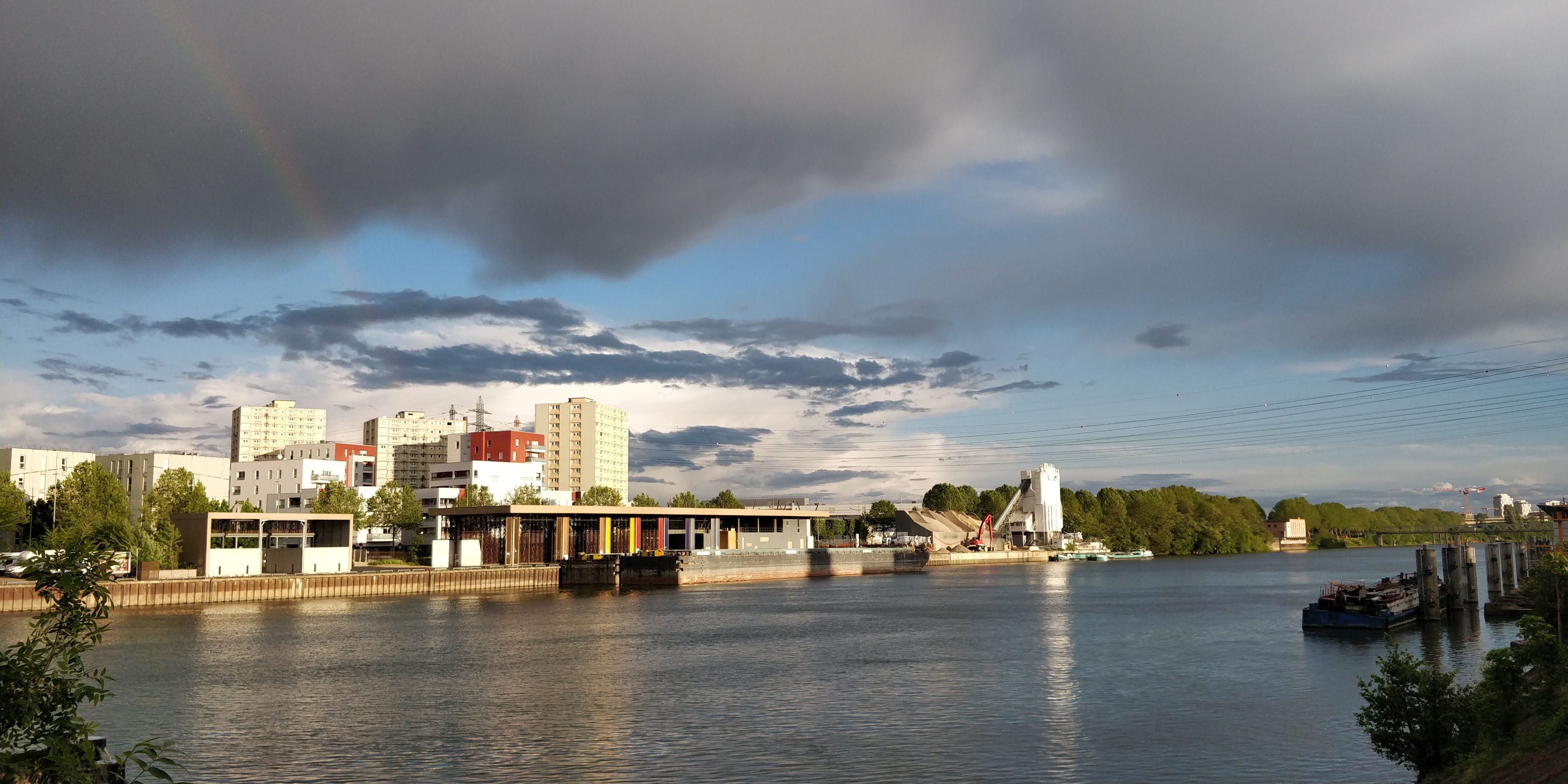
This photo was taken while I was running along the bank of the River Seine in Paris.
Many things have changed since then jobs, time, friends, relationships. But this place has remained the same. I’ve run here in happiness and hardship, in rain, snow, winter, and summer, without excuses.
The place itself is not special. The feelings, energy, and emotions attached to it are. Those will stay with me forever, even if I move elsewhere.
Photo that reflects your personal journey
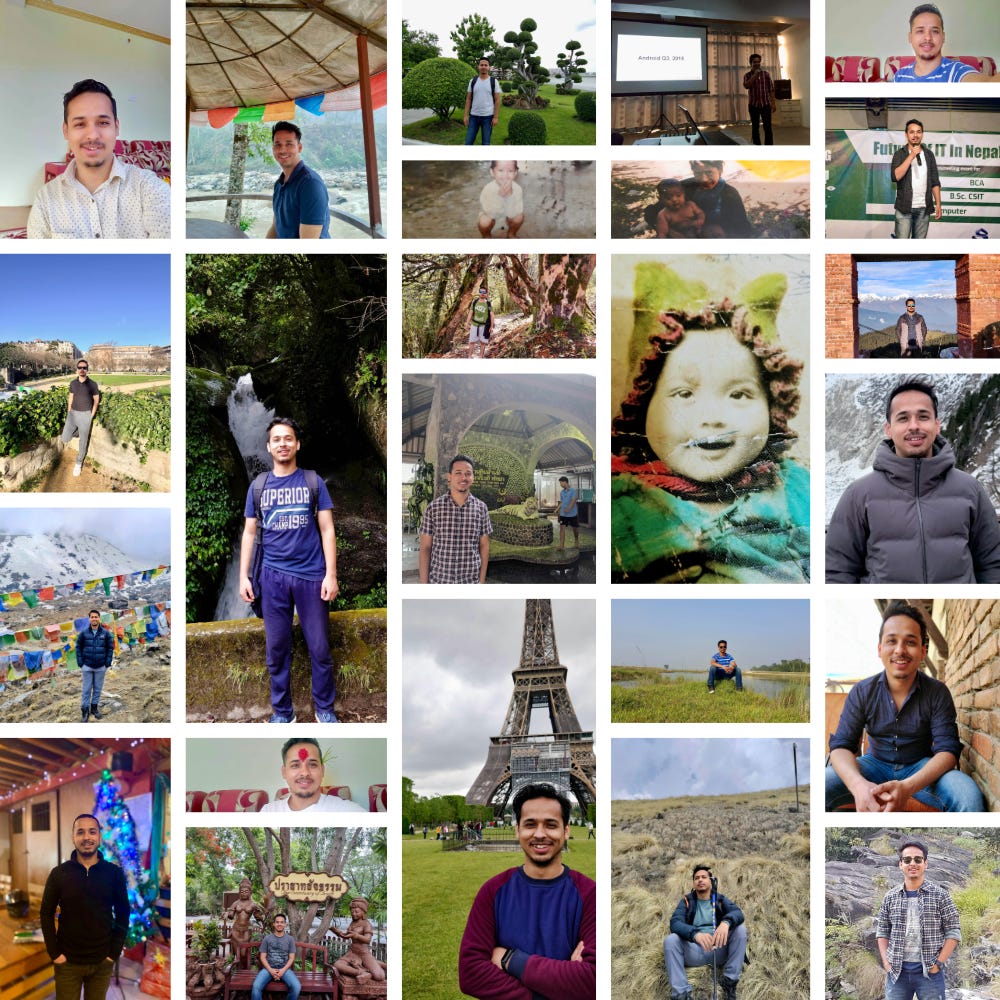
You’ll notice that I’m smiling in every picture. I chose these photos because they represent different states of mind from childhood to now.
My teenage photos are missing; I was shy about taking pictures while growing up (and still am). But the smile has always stayed.
Where can readers reach you if they want to learn more or ask questions?
You can reach out to me anytime on LinkedIn. I’d love to hear from you whether it’s about tech, career paths, or even something completely different that you think I could help with. Sometimes, a simple conversation can open up new perspectives or clear mental blocks, and I’m always happy to connect, share experiences, and learn together.
If you enjoyed this story, don’t hesitate to share it. Raw stories are worth spreading & they have the power to inspire others.
If you’d like to read more stories like this, feel free to subscribe to the newsletter on Substack. Your support truly motivates me to invest more time and care into this series.